4 June 2026 · Arun Phromsiri
Reading the upper wick on a SET daily bar
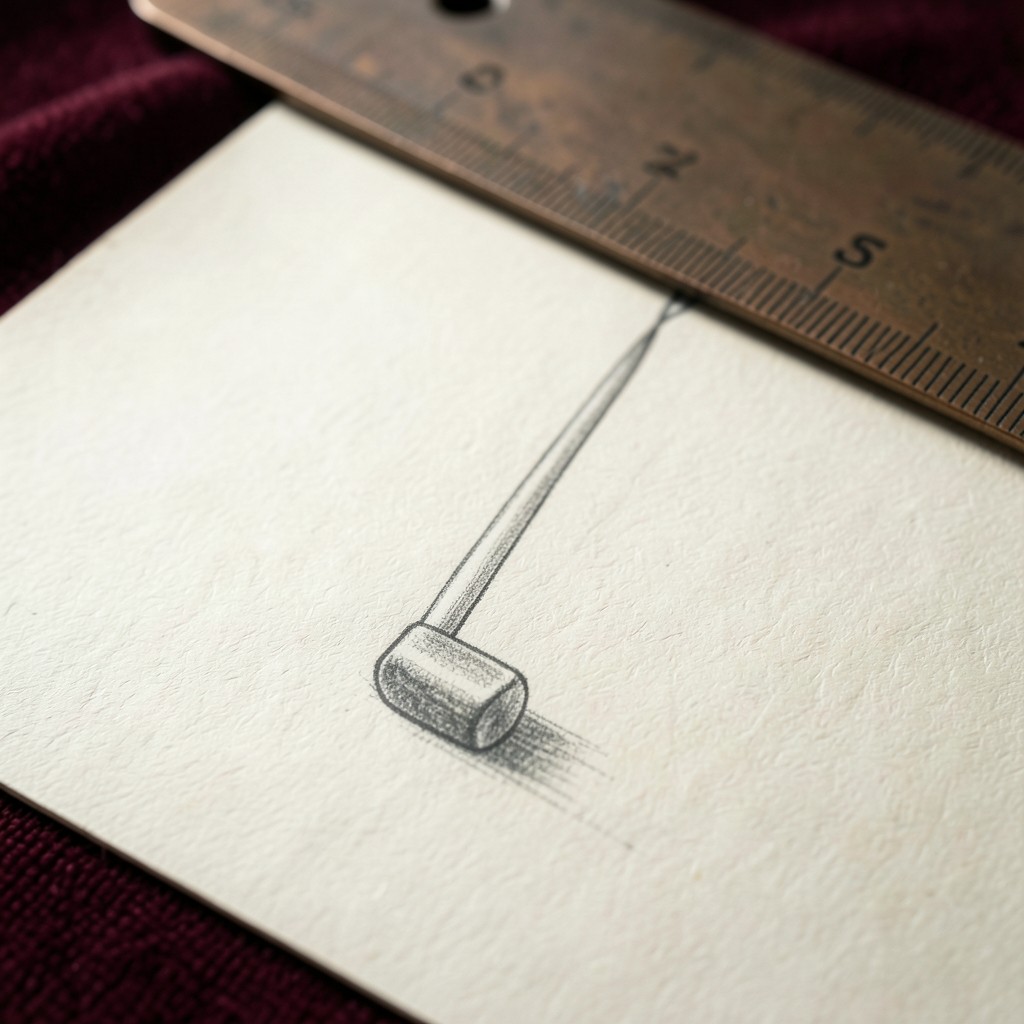
On a SET daily print the upper wick is easy to admire and easy to over-read. It runs from the high of the session to the top of the real body, and the top of the body is whichever of the open and the close printed higher. Prices traded up there and were not kept by the close.
Compare it with the days beside it
A wick that looks dramatic on a pinched day can be ordinary on a wide day. Before you circle it, write the ranges of the three bars before it. If today’s upper wick is shorter than an ordinary full range from last week, say so in the margin. The famous shape is allowed to be small.
Here is a classroom hypothetical with made-up prices. A bar opens at 24.50, prints a high of 26.10, and closes at 24.70, with a low of 24.30. The body is small and low in the range. The upper wick is the long part. Students often stop at the high. The close, back near the open, is the part that makes the wick mean rejection rather than a strong finish.
Write the four prices first
Bring the print. Do not mark the wick in a heavy line until the open, high, low, and close are in the margin in your own hand. The heavy line is for after the description is earned. On the clinic evenings we still find sheets where the circle arrived before the numbers.
A long upper wick after a run of higher highs is a description of a high that did not hold into the close. It is a sentence about that session. The next session is a different bar, and it is not printed yet.